Septic Tank Pumping for Lakeville Homeowners
Request an estimate to get started
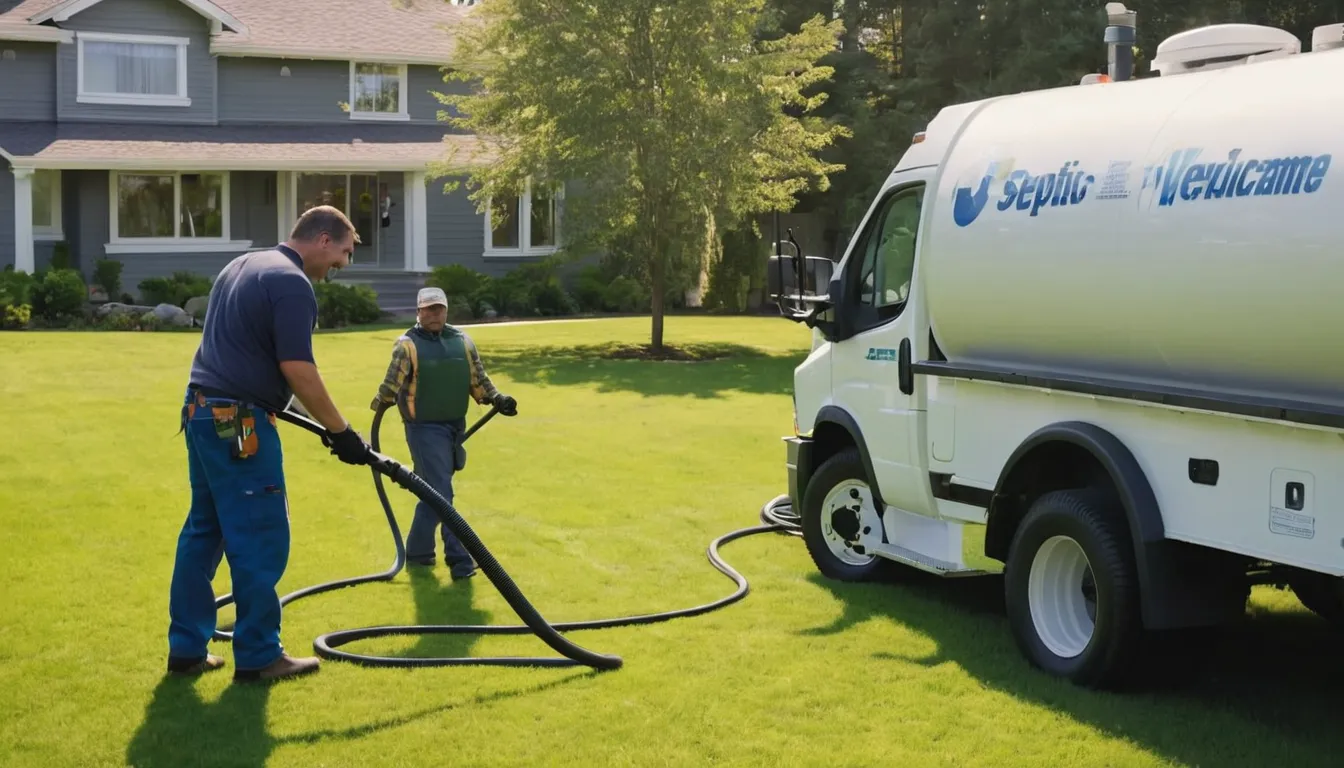
Think of your septic tank as a quiet holding bin. Wastewater flows in, the heavy solids sink, the light scum floats, and the clearer water in the middle moves out to the drainfield. Over the years the bin fills. Septic tank pumping is the simple job of emptying it before the solids spill where they should not go.
Removedrespond Septic is a referral service. It does not pump tanks. It explains what is likely going on, lays out your realistic options, and connects you with an independent provider in our network serving the Lakeville area. Older homes get extra care here, since buried lids, past repairs and aging parts can change the plan. Request an estimate, ask your questions, and understand the next steps before anyone starts work.
Tank Full or Overdue? Start Here
A septic tank works like a kitchen trash can. It holds things for a while, and then it must be emptied. If you wait too long, the lid stops closing and the mess spreads.
Watch for slow drains in several fixtures, gurgling sounds, sewage smells indoors or near the yard, and wet, spongy ground over the tank or drainfield. A backup in a basement floor drain, which sits at the bottom of the house plumbing, is the loudest warning. If you see these signs, treat them as a reason to act this week, not next season.
If Sewage Is Already Backing Up
Stop using water first. That means no laundry, no dishwasher, and short or no showers. Every gallon you send down has nowhere to go and may push wastewater back into the house.
Some providers offer emergency septic cleaning for backups. Request a callback to check provider availability in your area. Availability varies, so ask what they can do and when. Keep children and pets away from any wet floor, and do not mix cleaning chemicals while you wait.
Why Regular Pumping Matters
Imagine a sink strainer that never gets emptied. At first it catches everything. Later it clogs and the water has nowhere to go. Your tank does the same thing with solids.
When the sludge layer grows too thick, solids slip out toward the drainfield. That soil can clog, and drainfield repair is far more costly than a routine pumping. Pumping on a steady schedule protects the part of the system that is hardest to replace.
How Often Should You Pump?
There is no single number for every home. Most households land somewhere between every three and five years. Four things move that number up or down:
- The size of the tank
- How many people live in the house
- How much water you use each day
- Whether you use a garbage disposal
A large family with a small tank may need pumping more often. A couple with a big tank may stretch longer. A provider can measure the sludge and scum layers and give you a schedule that fits your home.
What a Pumping Visit Looks Like
The provider finds and opens the tank lids. A hose draws out the liquid and solids into a truck. Many providers then rinse or break up the remaining crust so the tank is truly emptied, not just lowered.
The provider should also look at the baffles, the inlet and outlet pipes, and any effluent filter. These parts are like the doors and screens of the tank. If one is cracked, pumping alone will not solve the problem. Ask the provider to explain anything they see.
Older Homes and Hidden Surprises
In a house that has stood for many decades, the tank may be buried deeper than you expect. The lid may sit under soil, sod or a patio. Records may be missing, and past owners may have made repairs no one wrote down.
Older tanks can be concrete with worn baffles, or even steel that has rusted. Cast iron and clay pipes can crack with age. Ask the provider to look for these issues while the tank is open. Ask before digging, and ask what each option would involve.
Cold Winters, Spring Floods and Your Tank
Deep frost can make lids hard to find and open. Heavy spring rain and flooding can fill the soil around the drainfield, so water has less room to drain. Many homeowners prefer to schedule pumping in the drier, milder months. If your yard is often soggy in spring, mention it, since a full tank makes a wet yard worse.
Pumping and Inspections
Pumping and inspecting are close cousins, but they are not the same job. Pumping empties the tank. An inspection checks how well the whole system works, from the house pipe to the drainfield.
A tank that has just been emptied is easier to inspect. The provider can see the walls, the water level after pumping, and whether liquid flows back in from the drainfield. That backflow can be a clue that the soil is struggling.
Buying or Selling a Home With Septic
Many buyers and lenders ask for a recent pumping and inspection record. If you are selling, a clean report can make the sale smoother. If you are buying, it shows what you are taking on. Ask for the age of the tank, the last service date and any repair notes.
Wells and Septic on the Same Lot
If your home has a private well, the distance between the well and the septic system matters. A failing system can affect nearby water. Pumping on schedule helps, and a provider can point you to water well service if you want your well checked. Test your water if you notice a change in taste or smell.
Caring for Your System Between Pumpings
Good habits are like brushing your teeth. Small daily steps prevent big repairs.
- Spread out laundry loads through the week.
- Flush only toilet paper and waste.
- Keep grease, wipes and coffee grounds out of the drain.
- Keep cars and heavy equipment off the tank and drainfield.
- Fix dripping faucets and running toilets.
Questions to Ask the Provider
Before you agree to a visit, ask these:
- What is the tank size, and how is the price set?
- Will you inspect the baffles and filter while it is open?
- What happens if the lid is buried?
- How will you report what you find?
- What is the written quote, and what could change it?
Understand, then decide. A good provider will not rush you.
What's Included
Tank Emptying
A truck and hose remove liquid, sludge and scum so your tank has room to work again.
Lid Location
Providers can find and open buried lids, which is common in older homes with missing records.
Baffle and Filter Check
While the tank is open, a provider can look at the inlet, outlet and any effluent filter.
Clear Next Steps
You get a plain explanation of what was found, plus options for any repairs or a pumping schedule.
Typical Septic Pumping Costs
Prices vary by tank size, how deep the lid sits, how far the truck must reach and your region. These are typical U.S. ranges only. Always ask for a written quote before work starts.
| Item | Typical range | Notes |
|---|---|---|
| Standard tank pumping | $300 – $650 | Common for a tank of about 1,000 gallons |
| Larger tank pumping | $500 – $950 | More gallons, longer visit |
| Digging to find a buried lid | $100 – $400 | Depends on depth and ground conditions |
| Riser and lid installation | $300 – $900 | Makes future pumping easier |
| Effluent filter cleaning | $50 – $200 | Often done during a pumping visit |
| Emergency septic cleaning | $500 – $1,200 | Rush or after-hours work often costs more |
How It Works
Describe Your Situation
Tell us about slow drains, odors, backups or wet spots, and note how long since the last pumping.
Request an Estimate
Use the form so a local provider can review your tank size and access.
Review Your Options
The provider explains what pumping can do, what it cannot, and what else might help.
Schedule the Visit
Pick a time with the provider and ask about lid access, quote details and what to prepare.
Why Call Removedrespond Septic
Know Options
You hear the likely causes and choices in plain words, so you can compare paths before agreeing to any work.
Independent Providers
Providers in our network are local and independent, and they set their own quotes and schedules.
Older-Home Care
Aging pipes, buried lids and past repairs are expected, so questions about them are welcome.
Written Quotes
Ask for the price in writing so you know what is included before work begins.
Other Services
Need septic tank pumping in Lakeville?
Request an estimate or send a question. Removedrespond Septic will help you understand your options and connect you with an independent provider in the Lakeville area.
No obligationSeptic Tank Pumping FAQ
- How often should a septic tank be pumped?
- Many homes need pumping every three to five years. Tank size, household size and water use change that. A provider can measure the sludge layer and suggest a schedule for your home.
- What are the signs my septic tank is full?
- Slow drains, gurgling pipes, sewage odors and soggy ground near the tank are common signs. A backup in a basement floor drain is a strong warning. Ask a provider to check the tank.
- Does pumping fix a clogged drainfield?
- Not always. Pumping removes solids from the tank, but a worn-out drainfield may need its own repair. A provider can tell you which one you have.
Request a callback
Request an estimate or send a question. Removedrespond Septic will help you understand your options and connect you with an independent provider in the Lakeville area.
No obligation